

tempered glass price per square meter
The Versatile Role of House Zinc-Plated Brackets in Construction and Design Zinc-plated brackets, a staple in the world of construction and home improvement, play a pivotal role in reinforcing structural integrity and enhancing aesthetic appeal. These brackets, often used in houses, are an embodiment of durability, resilience, and style. They are an essential component that brings together functionality and design, offering a robust solution for various construction needs. , a chemical element known for its corrosion-resistant properties, forms the core of zinc-plated brackets. When steel or iron brackets are coated with zinc, they gain a protective layer that safeguards against the ravages of weather, humidity, and time. This process, known as galvanization, not only extends the life of the brackets but also ensures that they maintain their original luster, even after prolonged exposure to the elements. In house construction, zinc-plated brackets find extensive use in multiple applications. They are commonly employed in roof truss systems, providing additional support and stability to the structure. Their strength and resistance to rust make them ideal for outdoor applications where they can withstand harsh weather conditions without losing their functionality. Moreover, they are instrumental in securing joists, beams, and rafters, ensuring the overall structural soundness of the house. Beyond their functional attributes, zinc-plated brackets also contribute to the aesthetic appeal of a house. Their sleek, shiny finish can add a touch of modernity and sophistication to any interior or exterior design Their sleek, shiny finish can add a touch of modernity and sophistication to any interior or exterior design Their sleek, shiny finish can add a touch of modernity and sophistication to any interior or exterior design Their sleek, shiny finish can add a touch of modernity and sophistication to any interior or exterior design house zinc plated bracket . They can be used creatively to accentuate shelves, window frames, or even as decorative elements in industrial or rustic-themed interiors. Furthermore, zinc-plated brackets offer flexibility in customization. They come in various shapes and sizes, allowing homeowners and builders to choose the most suitable option for their specific requirements. Whether it's a corner brace for added reinforcement or an ornamental bracket for visual enhancement, zinc-plated brackets provide a versatile solution. The use of zinc-plated brackets in house construction not only demonstrates a commitment to quality and safety but also reflects a forward-thinking approach towards sustainable building practices. Zinc is a highly recyclable material, which means that these brackets can be repurposed or reused, minimizing waste and environmental impact. In conclusion, house zinc-plated brackets are more than just functional accessories; they are integral components that merge practicality with aesthetics. They embody the perfect blend of strength, durability, and style, making them indispensable tools in contemporary house building and design. Their use underscores the importance of thoughtful construction, ensuring that homes stand the test of time while maintaining their visual charm.
about
tempered glass price per square meter
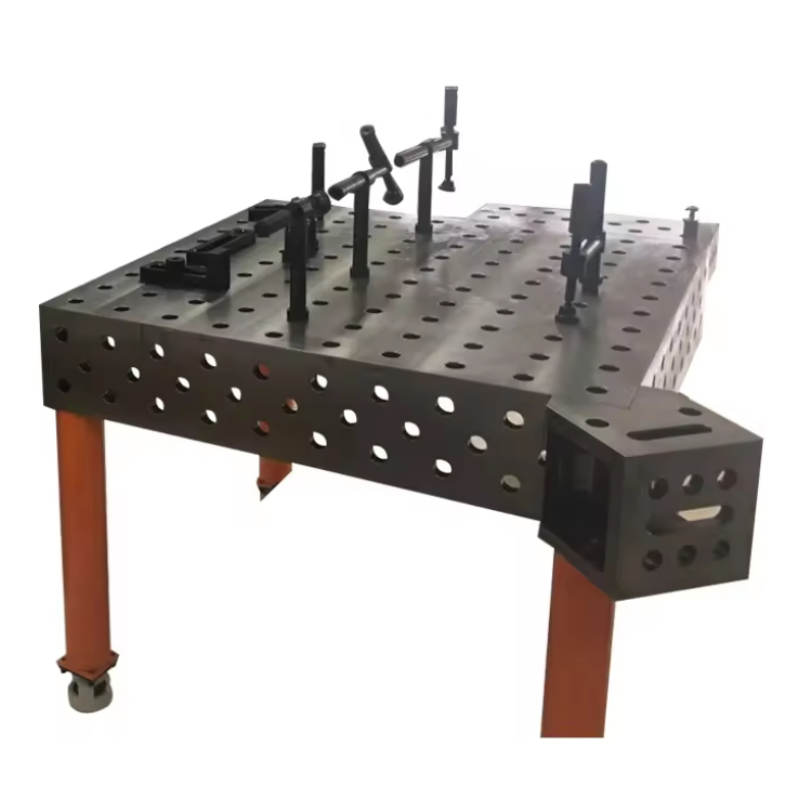
The Importance of Metal Table Fabrication Metal table fabrication is a vital aspect of modern manufacturing and design, serving a multitude of industries ranging from furniture design to architectural construction. The process transforms raw metal into functional pieces of furniture, enabling both practical uses and artistic expressions. This article explores the significance of metal table fabrication, the fabrication techniques involved, and the benefits of choosing metal tables for various applications. Understanding Metal Table Fabrication Metal table fabrication involves the process of designing and constructing tables made primarily from metal materials. Common metals used in this process include steel, aluminum, and stainless steel, each offering unique properties that affect the table's durability, aesthetics, and overall functionality. The fabrication process typically includes several stages material selection, cutting, shaping, welding, finishing, and assembly. Each stage requires precision and expertise, as any miscalibration can lead to structural weaknesses or aesthetic flaws. Skilled artisans and engineers are often involved in these processes to ensure high-quality outcomes that meet specific design requirements. Techniques in Metal Fabrication There are various techniques used in metal table fabrication, each contributing to the final product's design and functionality. Some of the most common methods include 1. Cutting This initial step involves slicing metal sheets into the desired dimensions. Techniques such as laser cutting, plasma cutting, and waterjet cutting are popular for their precision and efficiency. 2. Bending Once the metal is cut, it often requires bending to achieve the desired shape . This can be done through various methods, including press braking and roll bending. 3. Welding Welding is crucial for joining different metal pieces together. Techniques like MIG (Metal Inert Gas) and TIG (Tungsten Inert Gas) welding are commonly used to ensure strong and durable seams. 4. Finishing The finishing process involves treating the table's surface to enhance its appearance and corrosion resistance. This could include polishing, painting, or applying powder coating to give the metal a polished look and protect it from environmental factors. metal table fabrication 5. Assembly Finally, the fabricated pieces are assembled to create the final product. This process may involve additional fastening methods such as bolting or screwing, depending on the design. Benefits of Metal Tables Selecting metal tables for both commercial and residential use comes with numerous advantages 1. Durability Metal tables are incredibly strong and can withstand heavy loads as well as wear and tear, making them ideal for high-traffic areas such as restaurants, factories, and outdoor settings. 2. Versatility Metal can be shaped and finished in numerous ways, allowing for a vast range of designs, from sleek modern styles to ornate, traditional looks. This versatility means metal tables can fit into any decor or theme. 3. Maintenance Metal surfaces are typically easy to clean and maintain compared to wood or fabric. Most metals can simply be wiped down to remove dust and spills, which is a significant advantage in commercial settings where hygiene is a priority. 4. Sustainability Many metal materials are recyclable, making metal tables an environmentally friendly option. Choosing sustainable materials and efficient fabrication processes can lessen the carbon footprint of furniture manufacturing. 5. Cost-Effectiveness While the upfront cost of metal tables may be higher than some alternatives, their longevity and low maintenance requirements often make them more cost-effective over time. Conclusion Metal table fabrication combines artistry and engineering to create functional pieces that meet various needs across different sectors. With an array of techniques and materials available, designers and manufacturers can produce tables that are not only durable and versatile but also aesthetically pleasing. As the demand for sustainable and low-maintenance furniture continues to grow, metal tables are likely to play an increasingly important role in our living and working spaces, making the art of metal fabrication more relevant than ever. Whether for residential or commercial use, the value of metal tables is unmistakable in today’s fast-paced world.
-

High quality industrial productsagement

High quality industrial products
View Details -

Meet the diverse needs of customers

Meet the diverse needs of customers
View Details -

Strict quality control

Strict quality control
View Details -

Top raw materials

Top raw materials
View Details -

Trusted supplier

Trusted supplier
View Details
Our application
news and information
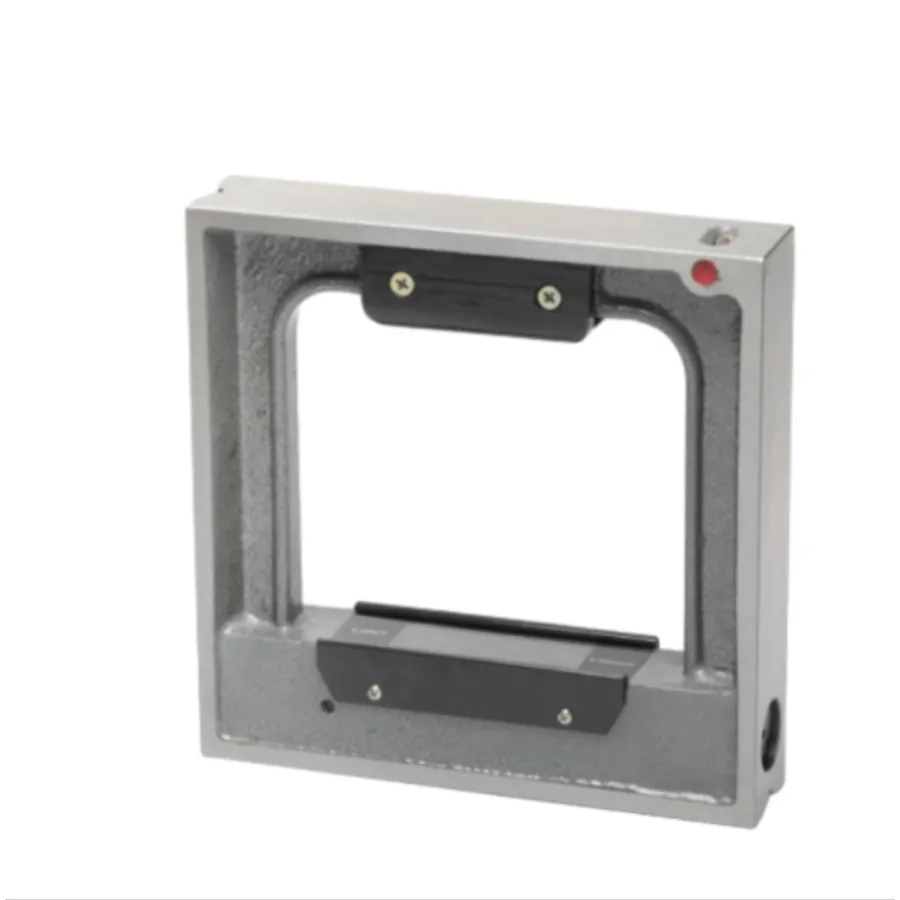
Versatile Stainless Steel Angle Ruler for Precision Measuring and Drafting Tasks
The Versatility of the Metal Angle Ruler When it comes to precision tools in the fields of engineeri
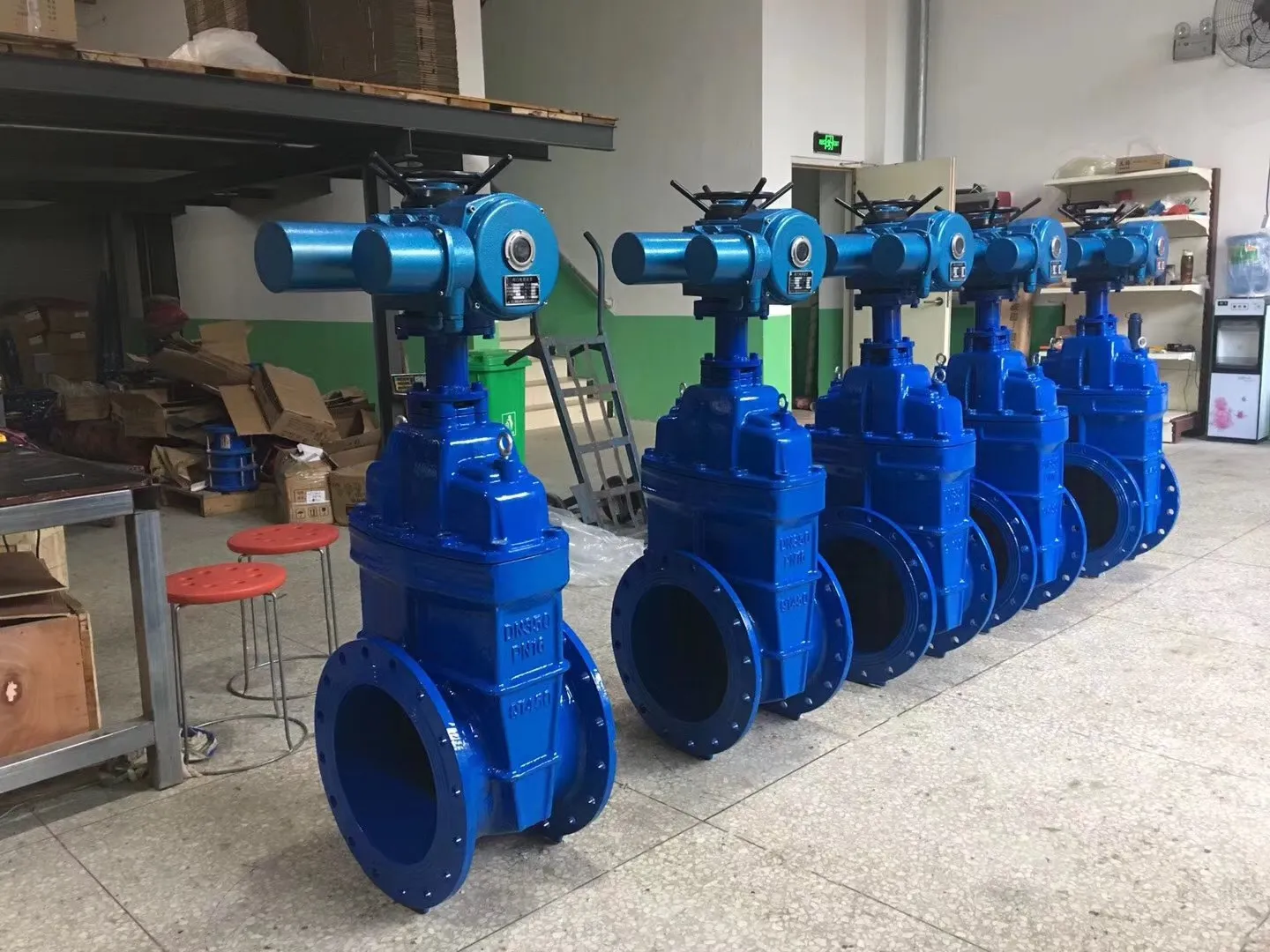
Welding Tables_ The Essential Tool for Precision and Durability
A welding table is a must-have for anyone involved in metalworking or fabrication. When it comes to
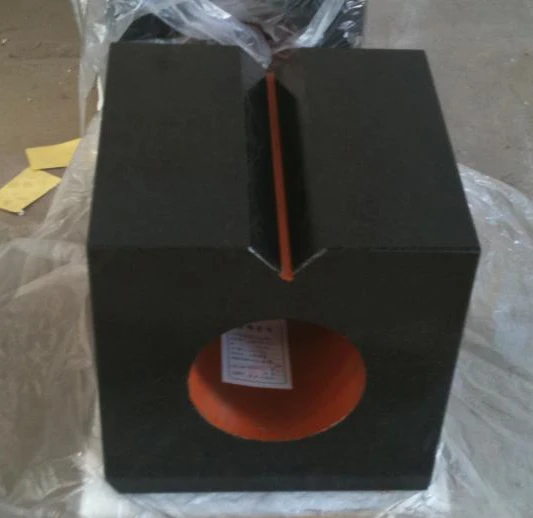
Water Control Valve for Efficient Shut-Off in Plumbing Systems
Understanding Water Shut Off Valves Importance and Functionality Water shut off valves are critical
 English